heritage news / 23/Jul/2025 /
Associate Justice-Designate Calls for Complete Rewrite of 1986 Constitution
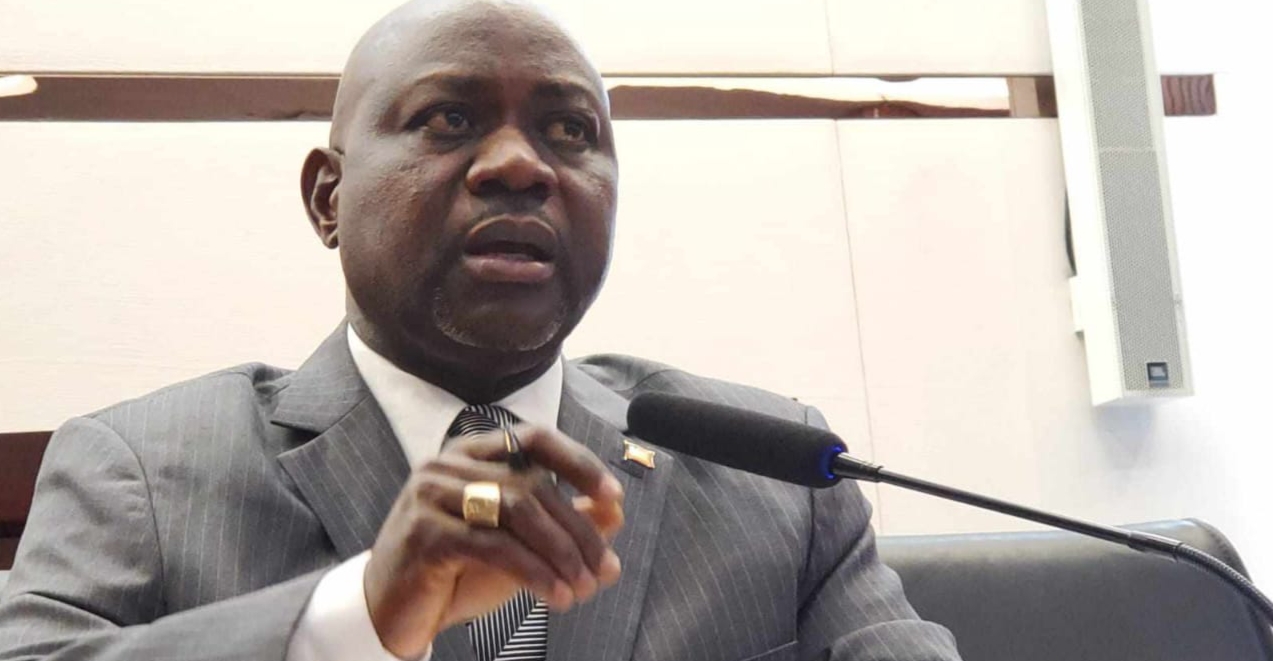
In a stunning proposal that sent ripples through the corridors of power, Associate Justice-designate Boakai Kanneh has called for a total rewrite of Liberia’s 1986 Constitution, declaring that the current document is “outdated and no longer meets the country’s evolving governance needs.” Speaking Tuesday, July 22, 2025 during his Senate confirmation hearing, Cllr. Kanneh argued that mere amendments to the existing Constitution would be insufficient to address what he described as the foundational flaws of Liberia’s democratic architecture. “We are trying to modernize an old house that is no longer structurally sound. The time has come to rebuild, not renovate,” he told lawmakers. His bold recommendation comes as Liberia grapples with deepening public discontent over governance, widespread corruption, and the perceived inefficiency of state institutions. The Associate Justice-designate contends that many of these challenges are rooted in outdated constitutional provisions that stifle reform. “The 1986 Constitution was written at a time when our society, our values, and our political aspirations were fundamentally different. Today, we are dealing with realities that this Constitution cannot adequately address. We must give the Liberian people a fresh start,” Kanneh asserted. Cllr. Kanneh, who previously served as a circuit court judge and a prominent legal reform advocate, said the call for a rewrite is not radical, but “necessary and patriotic.” He cited comparative examples from Ghana, South Africa, and Kenya, where major constitutional overhauls ushered in more robust democratic institutions and citizen engagement. He stressed that his call is not a rejection of the Constitution’s historic significance but an appeal to modernize the rule of law to reflect current governance realities. “Our people want more inclusive governance, stronger checks and balances, and clearer separation of powers. These must be embedded in a modern constitutional framework,” he explained. During the hearing, lawmakers appeared visibly divided. Some Senators praised his audacity and vision, while others expressed alarm, warning that such a sweeping reform could destabilize the country or open the door to political manipulation. Senator Abraham Darius Dillon of Montserrado welcomed the proposal, saying it was “long overdue” and “worthy of serious national conversation.” But others, including Senator Edwin Melvin Snowe of Bomi County, cautioned that a constitutional rewrite would require mass civic education, time, and political will that may not currently exist. Justice-designate Kanneh assured the Senate that any process of constitutional reform would need to be consultative, democratic, and citizen-driven. “This is not about one man’s ideas. This is about the people deciding how they want to be governed in the 21st century,” he emphasized. He further suggested that a constitutional convention composed of elected representatives, traditional leaders, civil society, youth, women’s groups, and religious institutions would be an ideal vehicle to lead the reform process, rather than leaving it solely in the hands of politicians. Kanneh’s proposal comes amid ongoing public debate about decentralization, electoral reform, land rights, judicial independence, and executive overreach issues he says a rewritten Constitution must tackle head-on. “The Constitution must become a living document that empowers and protects, not one that frustrates and restricts.” Critics argue that a full constitutional rewrite could prove politically risky and expensive, especially in a country still recovering from civil war legacies and economic fragility. However, Kanneh said avoiding the issue out of fear would be a disservice to the nation’s future. The nominee also clarified that his call for a constitutional overhaul is not a precondition for his service on the Supreme Court Bench but rather a policy recommendation based on years of legal experience and national observation. Senate Judiciary Committee Chairperson, Senator Varney Sherman, lauded Kanneh for his candor and intellect, saying the hearing revealed “a rare judicial nominee who is unafraid to challenge the status quo in the interest of national progress.” As the confirmation process continues, Kanneh’s remarks have already ignited a nationwide debate, with legal experts, civil society groups, and political commentators weighing in on whether Liberia is truly ready to rewrite the foundational laws of its democracy. Whether or not the Senate confirms his nomination, Kanneh’s proposal has thrust constitutional reform back into the spotlight and many believe it will be a defining topic in Liberia’s political discourse in the coming years.



No Comment Yet!