By J. Yekeh F. Kwaytah / 21/May/2026 /
Boakai Warns Corrupt Officials At AFROSAI-E Event
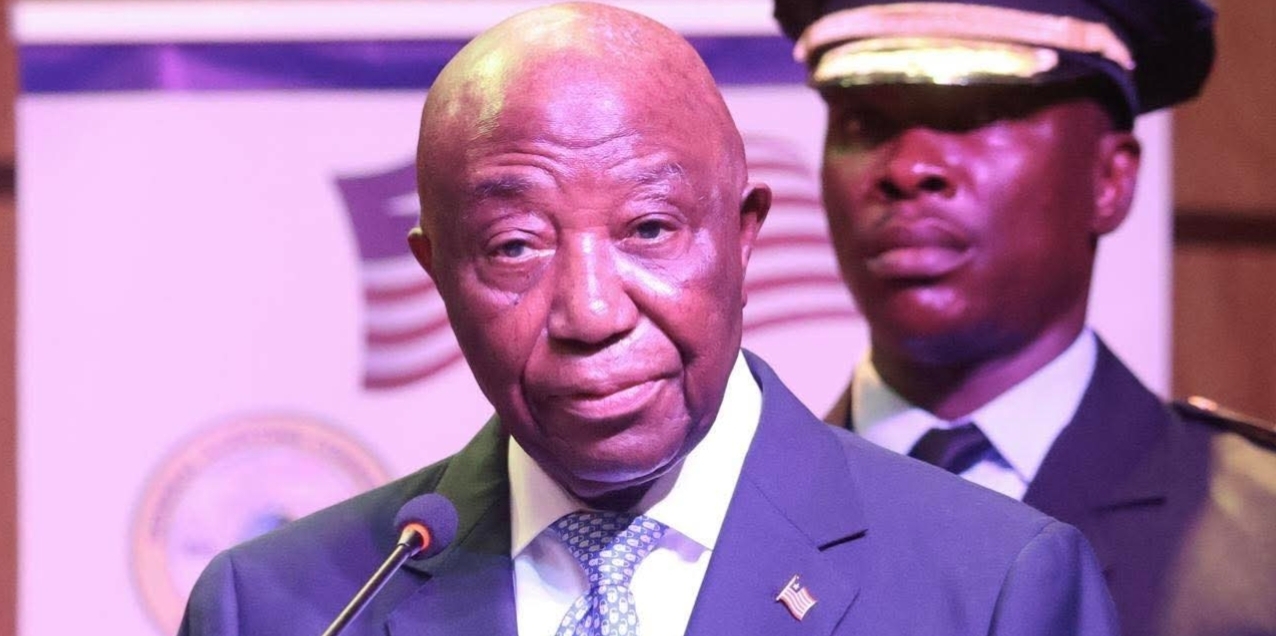
President Joseph Nyuma Boakai Sr. on Wednesday, May 20, 2026 delivered one of the strongest anti-corruption messages of his administration as he officially opened the 22nd Governing Board Meeting and 2026 Strategic Review Program of the African Organization of English-speaking Supreme Audit Institutions at the Ellen Johnson Sirleaf Ministerial Complex in Congo Town.
Addressing delegates from across Africa, President Boakai declared that his government maintains “zero tolerance” for financial misconduct and warned public officials against abusing state power for personal gain.
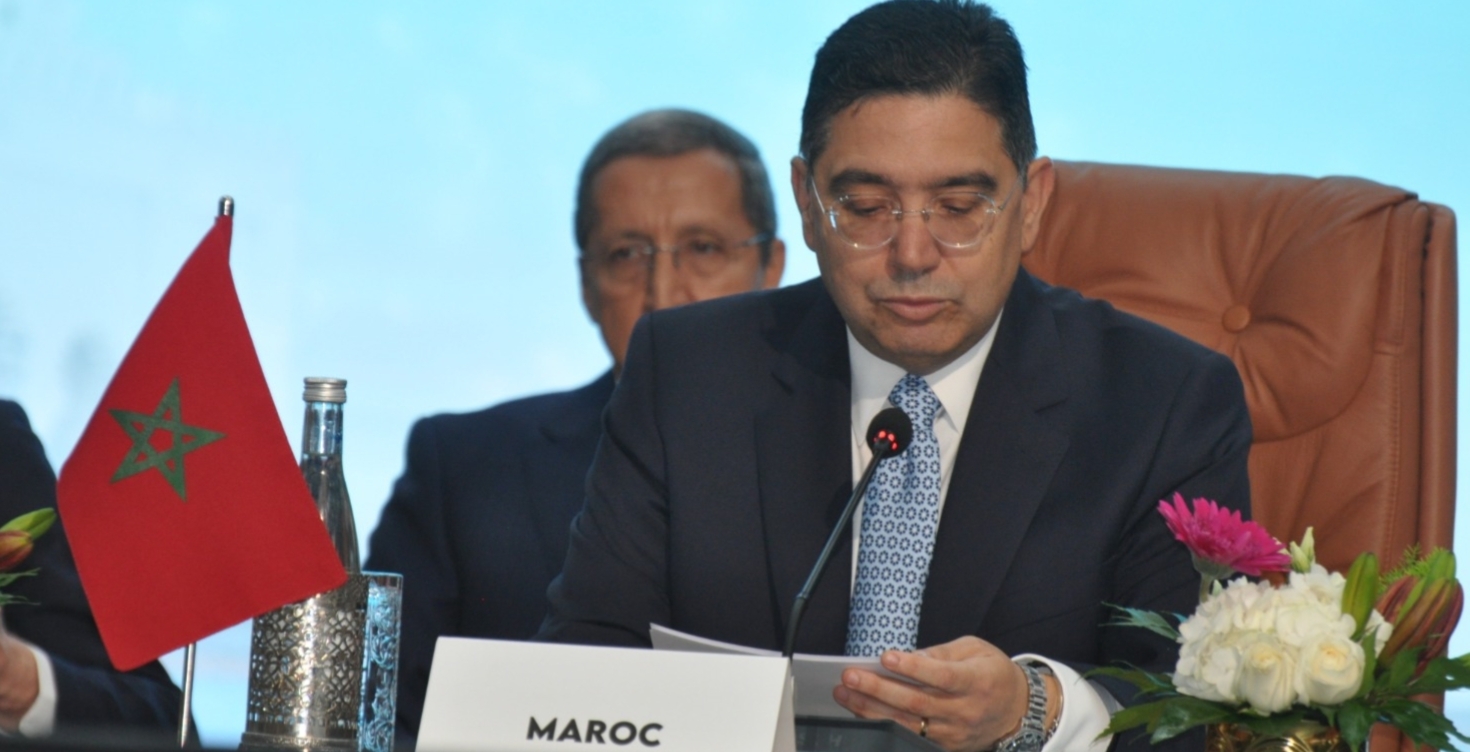
The high-level summit brought together Auditor Generals, diplomats, lawmakers, development partners, and senior government officials from 26 African countries to discuss audit reforms, institutional independence, accountability, and public financial management systems across the continent
During his keynote address, President Boakai reminded government officials that public service is intended to benefit citizens rather than enrich individuals occupying positions of authority.
“Public officials were not appointed to be served but to serve,” President Boakai declared, drawing applause from delegates attending the accountability summit.
The President’s statement comes at a time when Liberia continues to face growing public scrutiny over governance and transparency issues following several audit reports released by the General Auditing Commission.
The audit reports exposed alleged financial irregularities, institutional weaknesses, and concerns regarding the management of public resources in several government institutions.
President Boakai said Liberians are increasingly demanding honesty, measurable performance, and responsibility from public officials entrusted with managing state resources.
According to him, government institutions exist to improve the lives of ordinary Liberians and not to advance personal interests or political self-enrichment.
The Liberian leader disclosed that his administration has already introduced performance management systems across public institutions aimed at strengthening efficiency, accountability, and service delivery.
Boakai further highlighted several anti-corruption and governance reforms implemented since his administration assumed office.
Among the reforms outlined were what he described as historic audits conducted by the General Auditing Commission involving the Office of the President, the National Legislature, the Judiciary, and the Central Bank of Liberia.
According to the President, the audits demonstrate that no institution under his administration is beyond public scrutiny or accountability.
President Boakai also revealed that his government has enforced mandatory asset declaration requirements for presidential appointees.
He disclosed that several officials who failed to comply with the asset declaration process were suspended and fined by the administration.
In one of the symbolic moments of his speech, President Boakai announced that money collected from fines imposed on noncompliant officials was used to purchase school chairs for Liberian students.
The President emphasized that public resources should always be directed toward improving the welfare and educational opportunities of citizens.
Boakai further declared that several government officials implicated in corruption, misappropriation, and abuse of public trust have already faced disciplinary actions, including suspension and dismissal.
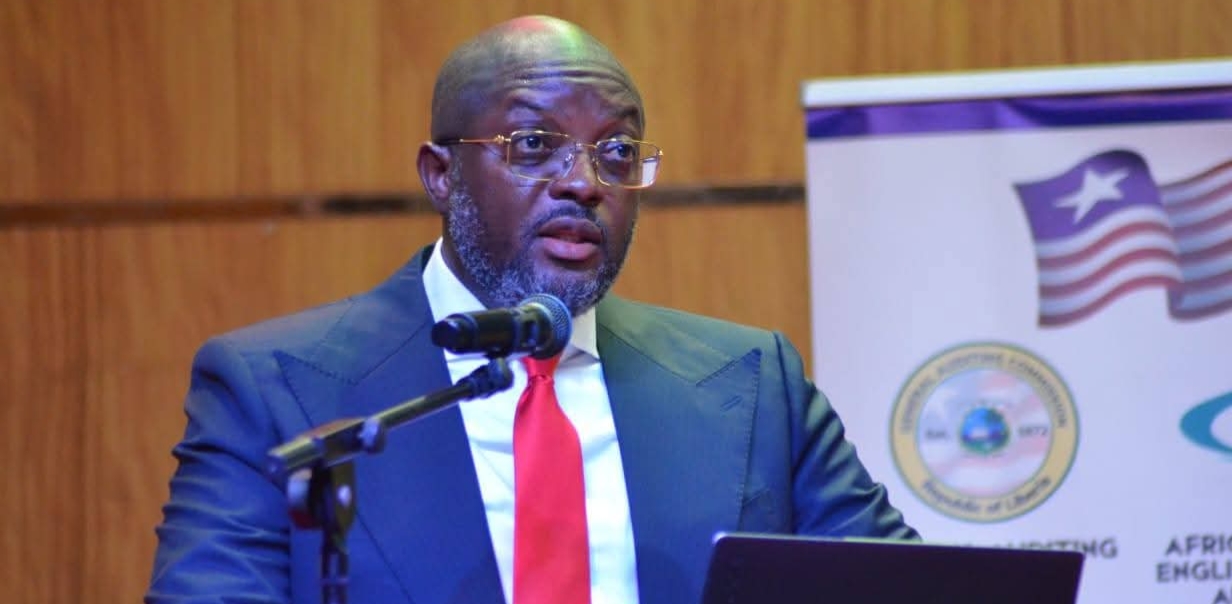
The Liberian leader praised P. Garswa Jackson Sr. and the General Auditing Commission for what he described as excellent stewardship and professionalism in advancing accountability within Liberia’s public sector.
He also noted that the General Auditing Commission received full budgetary allotments in Fiscal Years 2024 and 2025, describing the move as unprecedented in recent Liberian governance history.
According to President Boakai, his administration operationalized the Commission’s financial independence by immediately disbursing 50 percent of its approved annual budget following legislative approval of the national budget.
The President described Liberia’s hosting of the AFROSAI-E conference as a major milestone and evidence of growing international confidence in Liberia’s governance reform efforts.
Reflecting on Liberia’s past, President Boakai stated that years of conflict and instability in the country were fueled largely by corruption, weak institutions, abuse of public trust, and poor governance practices.
He stressed that Liberia’s post-war recovery process has demonstrated the importance of strong oversight institutions in preserving democracy, peace, and responsible resource management.
According to him, institutions such as the General Auditing Commission, the Public Procurement and Concessions Commission, and the Governance Commission remain essential pillars in preventing Liberia from repeating past governance failures.
Addressing delegates attending the summit, President Boakai argued that Africa’s greatest challenge is not the absence of resources but weak management systems and poor accountability structures.
“Africa is not poor,” the Liberian President declared. “Our continent is richly blessed with natural resources, fertile lands, mineral wealth, and a youthful population full of potential.”
He stressed that independent Supreme Audit Institutions remain critical to protecting public trust, improving investor confidence, strengthening democratic governance, and advancing sustainable development throughout Africa.
President Boakai concluded his remarks by encouraging African oversight institutions to deepen regional cooperation and continue promoting accountability and transparency across the continent.
The AFROSAI-E summit in Monrovia is expected to focus on strategies aimed at strengthening audit reforms, institutional independence, public financial management systems, and collaboration among African accountability institutions.
Observers say the conference comes at a critical moment as several African governments face mounting public pressure to combat corruption, improve governance standards, and ensure responsible management of national resources.
Political analysts also believe President Boakai’s strong anti-corruption message signals increasing determination by his administration to strengthen public accountability amid growing national expectations for governance reform.



No Comment Yet!