By J. Yekeh F. Kwaytah / 21/May/2026 /
Morocco Gains Peacekeeping Recognition
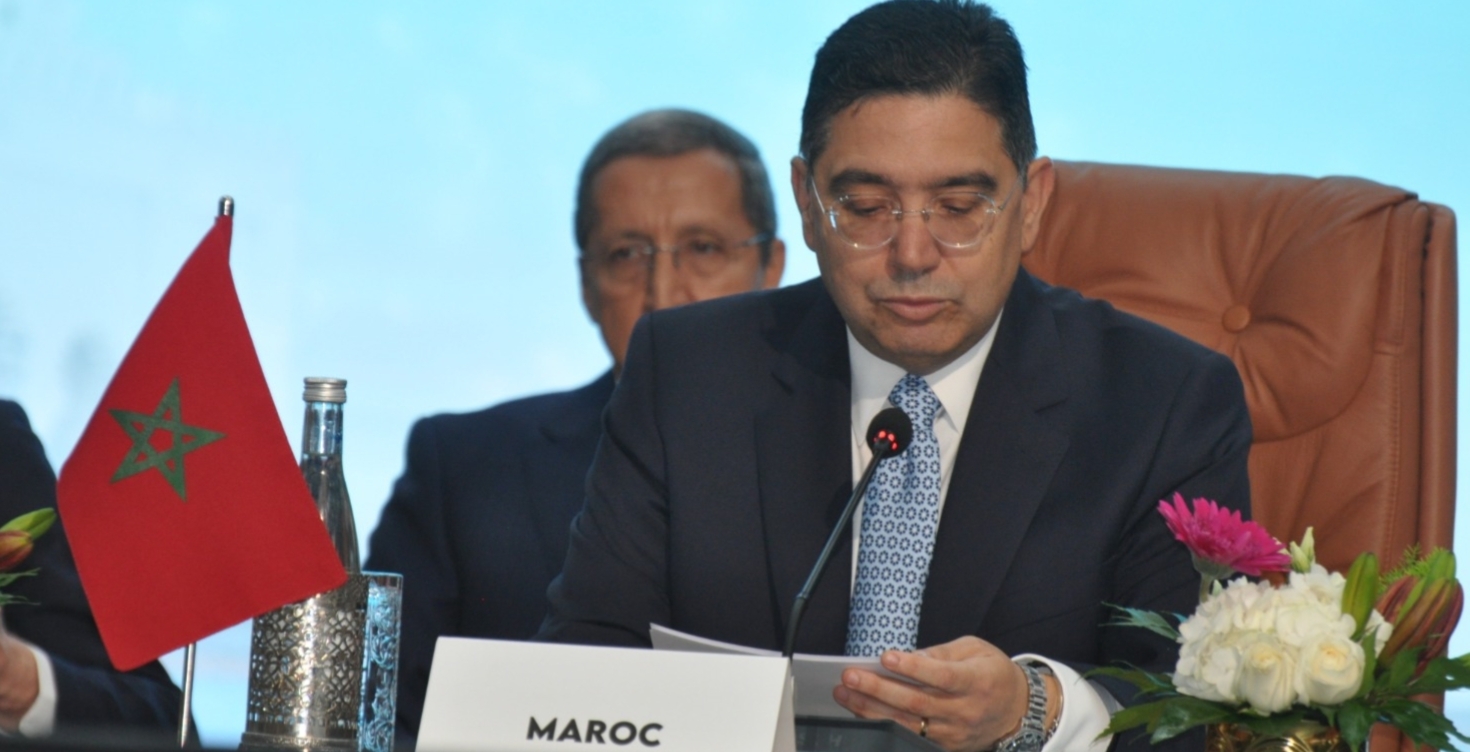
Morocco has received strong international recognition for its expanding leadership role in global peacekeeping and conflict resolution following the adoption of the landmark “Rabat Declaration” at the High-Level Segment of the 2nd Ministerial Conference on Peacekeeping in Francophone Environments.
The high-profile conference, held Wednesday in Rabat, brought together ministers, diplomats, and international delegations from several countries to discuss the future of global peacekeeping operations amid growing security threats and evolving international conflicts.
During the summit, participating nations praised Morocco’s increasing role in promoting international peace, mediation, preventive diplomacy, and dialogue-based conflict resolution across fragile and conflict-affected regions.
In a major endorsement, ministers described Morocco as a “major actor in international peace and security,” commending the Kingdom’s diplomatic engagements and strategic support to United Nations peacekeeping missions.
The Rabat Declaration comes at a time when peacekeeping operations worldwide are facing mounting security challenges from armed groups and non-state actors using increasingly sophisticated weapons and tactics against international missions.
Delegates at the conference expressed deep concern over worsening security conditions confronting peacekeepers deployed in volatile environments across Africa and other regions.
The ministers strongly condemned attacks targeting United Nations peacekeeping operations and warned that such assaults could constitute war crimes under international humanitarian law.
Participants further emphasized that the safety, protection, and unrestricted movement of peacekeepers must remain a top international priority.
According to the declaration, obstacles preventing peacekeeping missions from carrying out their mandates threaten broader global stability and undermine efforts aimed at restoring peace in conflict zones.
The conference also focused heavily on the need to redesign peacekeeping operations to better respond to modern security realities and rapidly changing conflict dynamics.
Through the Rabat Declaration, participating countries pledged to pursue more realistic and effective peacekeeping mandates centered on political dialogue, crisis-exit strategies, and sustainable conflict resolution mechanisms.
Delegates stressed that peacekeeping operations must increasingly prioritize political solutions and preventive diplomacy rather than relying solely on military intervention.
The summit additionally underscored the importance of stronger multilateral cooperation under the framework of the United Nations and the Organisation internationale de la Francophonie.
According to participants, enhanced international coordination remains essential to improving the effectiveness and long-term sustainability of global peacekeeping missions.
A major theme of the conference centered on strengthening peacekeeper training and operational preparedness.
Ministers described training as the backbone of mission effectiveness, troop safety, operational coordination, and successful peacekeeping outcomes.
The conference called for the development of interoperable training systems capable of preparing peacekeepers to operate under common international standards in highly complex environments.
Delegations also endorsed proposals aimed at establishing a network of mediation experts from francophone countries to support peacekeeping missions operating in conflict-prone regions.
Officials at the summit noted that mediation and dialogue continue to play increasingly important roles in resolving modern conflicts and preventing prolonged instability.
In another significant outcome, participating nations agreed to reinforce multilingualism within peacekeeping missions as part of broader efforts to counter disinformation, propaganda, and hate speech targeting international peacekeepers.
Delegates warned that misinformation campaigns and hostile narratives against peacekeeping operations have become growing challenges in several conflict zones around the world.
The conference concluded with participating countries committing themselves to deeper consultation, stronger coordination, and collective action within international institutions to reshape the future of global peacekeeping architecture.
Observers described the Rabat summit as a major diplomatic success for Morocco and further evidence of the Kingdom’s expanding influence in international diplomacy and conflict prevention efforts.
Analysts say Morocco has increasingly positioned itself as a key diplomatic and security partner across Africa through mediation initiatives, peace-building engagement, and strategic international partnerships.
The Kingdom has also strengthened its international profile through active participation in United Nations peacekeeping operations and regional security cooperation initiatives.
Political observers believe the adoption of the Rabat Declaration could further elevate Morocco’s standing within global diplomatic and security circles at a time of growing international concern over instability and armed conflict in several regions.
The conference is also being viewed as part of broader international efforts to modernize peacekeeping systems and adapt them to evolving geopolitical and security realities worldwide.



No Comment Yet!