By J. Yekeh F. Kwaytah / 01/May/2026 /
CBL Holds Policy Rate Steady at 16.25
The Central Bank of Liberia has announced the retention of its Monetary Policy Rate at 16.25 percent, signaling a continued cautious stance aimed at preserving price stability and safeguarding the value of the Liberian dollar amid evolving domestic and global economic pressures.
The decision was reached by the Bank’s Monetary Policy Committee (MPC) in Monrovia on April 30, 2026, alongside the maintenance of reserve requirements at 25 percent for Liberian dollar deposits and 10 percent for United States dollar deposits.
According to the MPC, the policy stance reflects a balancing act between supporting economic growth and containing inflationary risks that continue to affect household purchasing power.
Inflation data shows that price growth eased to 3.6 percent in the first quarter of 2026, down from 4.4 percent recorded at the end of 2025, indicating some short-term stabilization in consumer prices.
However, the Bank warned that inflationary pressures may resurface in the second quarter, with projections rising to around 5.3 percent due to expected increases in imported fuel and food prices.
On the real economy, the MPC reported that Liberia recorded growth in key sectors including mining, agriculture, manufacturing, and services, consistent with an annual growth outlook of 5.1 percent.
Despite this growth momentum, financial sector risks remain elevated, particularly due to non-performing loans, which currently stand at approximately L$13.5 billion and pose a challenge to banking system stability.
The Central Bank also noted that while the banking sector remains adequately capitalized and broadly stable, continued vigilance is required to manage credit risk and ensure financial resilience.
In currency performance, the Liberian dollar experienced a modest depreciation of 2.9 percent, reflecting ongoing pressure in the foreign exchange market.
At the same time, gross international reserves improved to US$722.5 million, providing import cover of nearly three months and offering a buffer against external shocks.
On the fiscal front, government revenues showed improvement; however, expenditures continue to outpace income, resulting in a fiscal deficit, albeit smaller than in the previous quarter.
The MPC attributed part of the external pressure to global economic conditions, including geopolitical tensions and rising oil prices linked to the Middle East conflict.
The International Monetary Fund has revised global growth projections downward to 3.1 percent for 2026, while inflation is expected to rise to 4.4 percent worldwide.
These global developments have tightened financial conditions and increased demand for the U.S. dollar, creating additional pressure on emerging economies such as Liberia.
The Central Bank identified several domestic risks, including rising import costs for fuel and food, exchange rate volatility, high dollarization, and growing fiscal expenditure pressures.
Despite these challenges, the MPC maintained a cautiously optimistic outlook, emphasizing that macroeconomic stability remains achievable with prudent policy management.
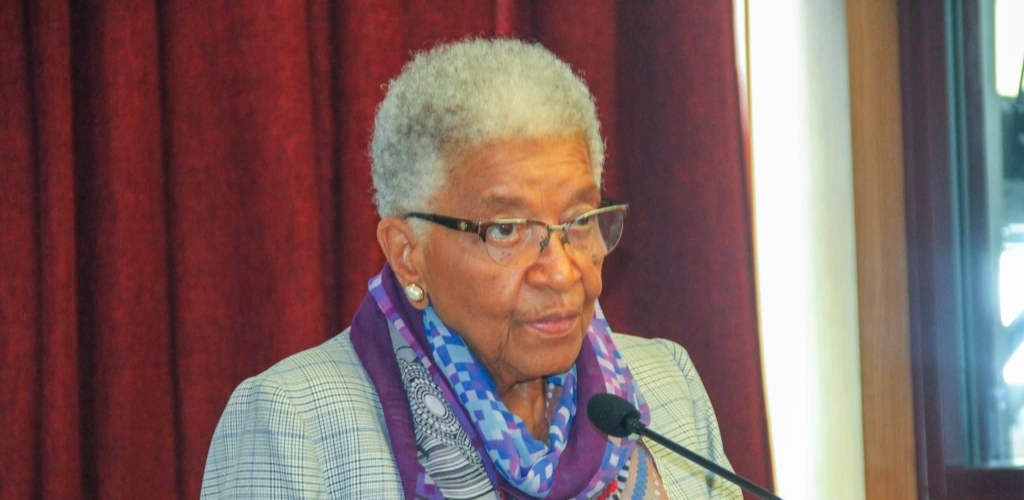
Executive Governor Henry F. Saamoi reaffirmed the Bank’s commitment to maintaining price stability and financial sector resilience.
He stressed that sustained stability is essential for long-term economic growth, adding that the Central Bank will continue to act responsibly in the interest of all citizens.
The policy decision signals the Bank’s intent to remain proactive in managing risks while supporting a stable macroeconomic environment for development.





No Comment Yet!